
My Experience
Over the years, I have worked on numerous projects that have helped companies and corporations increase the efficiency of their processes. Here are some examples:
Coachella Valley Water District (CVWD)
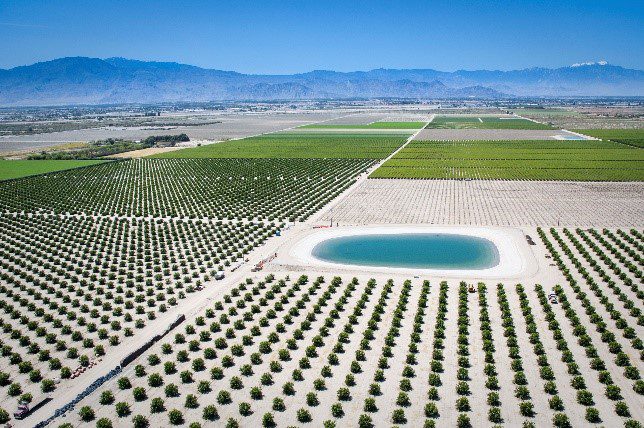
The Coachella Canal brings Colorado River water to the Valley for agriculture irrigation, golf course and landscape irrigation, and groundwater replenishment. CVWD’s drainage system carries saline groundwater and agricultural irrigation water to the Salton Sea. CVWD photo
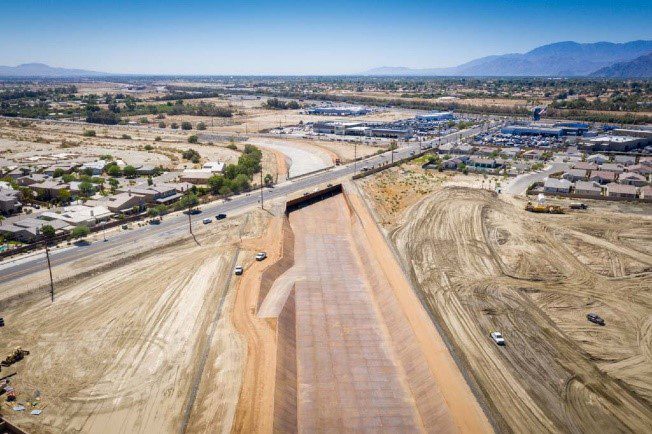
Protecting 590 square miles from flooding, CVWD maintains the 50-mile Whitewater River Storm Channel and 135 miles of other channels that carry floodwaters from Palm Springs to the Salton Sea. CVWD photo
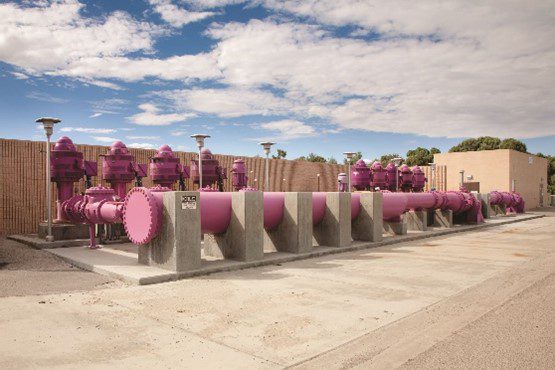
Protecting 590 square miles from flooding, CVWD maintains the 50-mile Whitewater River Storm Channel and 135 miles of other channels that carry floodwaters from Palm Springs to the Salton Sea. CVWD photo
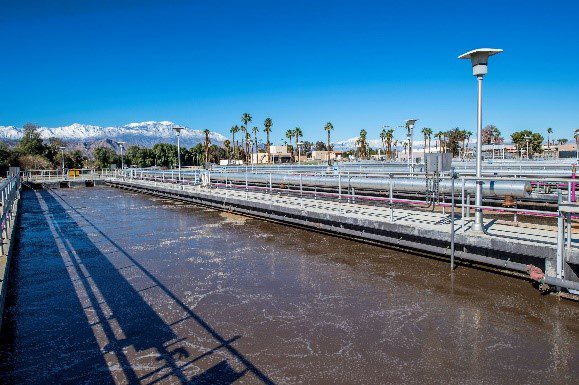
CVWD operates six water reclamation plants from Palm Desert to Thermal and maintains more than 1,000 miles of sewer pipelines. Three of the six plants treat wastewater to meet state standards for nonportable water for irrigation. CVWD photo
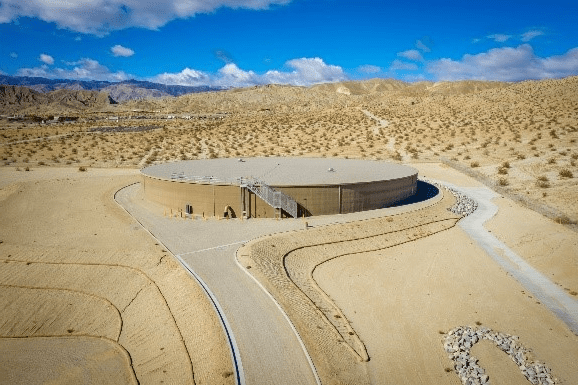
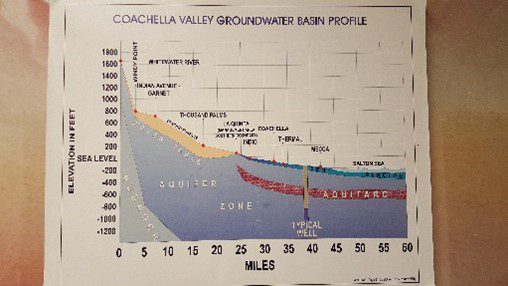
CVWD is the largest provider of drinking water in the Coachella Valley, serving population of near 300,000 from Cathedral City to the Salton Sea. The water is pumped from aquifers and requires no or minimal treatment to meet state and federal water quality standards.CVWD photo
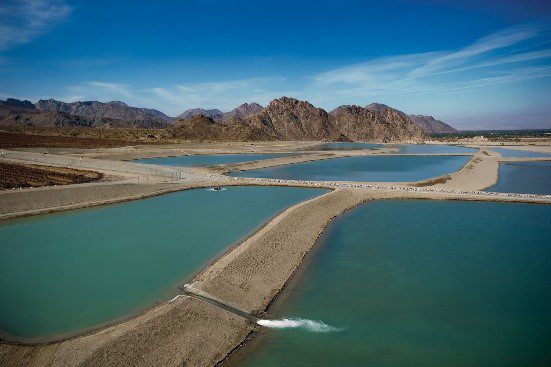
With water from the Colorado River, State Water Project and natural runoff, CVED’s replenishment programs aim to increase groundwater levels and eliminate overdraft of the aquifers. CVWD photo
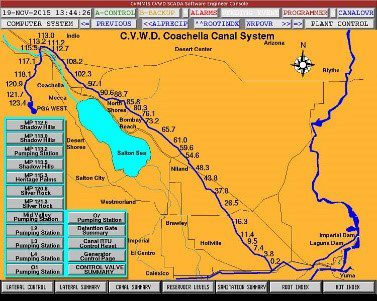
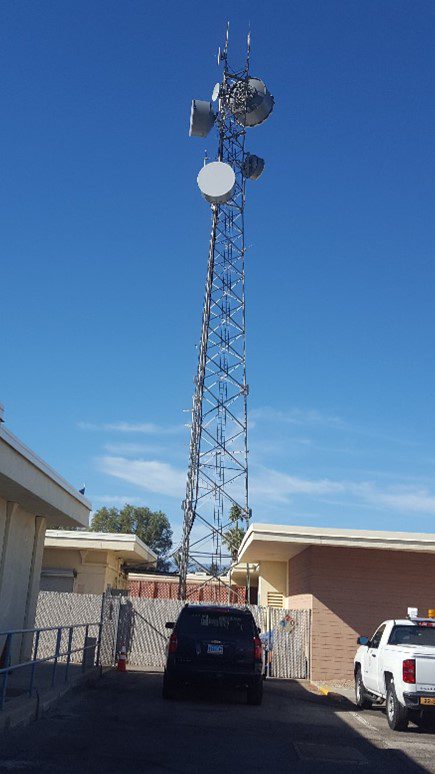
Senior Consultant and Program Support for the SCADA Master Plan for the Coachella Valley Water District (CVWD) in California, commonly referred as the Low Desert. On the contrary, the Low Desert is one of the most fertile areas in the US, due to a 100-mile canal from the Colorado River, plus numerous privately owned underground reservoirs. My support included installation of an MPLS network (Multiprotocol Label Switching) of 26 wireless wide area network (WAN) Public Safety channels with over 400 field devices at 64mbps, meeting the report requirements of the CA State Resources Board, and coordination of project management of irrigation, aquifer levels and wastewater recovery between many districts for over 600,000 residents in a 1,000 square mile area. Project cost: $4,569,000.
Chevron Refinery
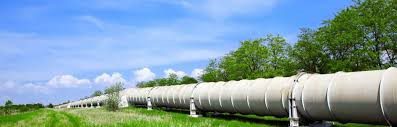
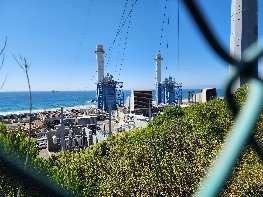
The Chevron refinery in LA was required to shut down a catalytic cracking unit to meet CA State emission requirements. At the same time a new power station built on the coast was looking for a fuel gas supply. I negotiated with both organizations to build a pipeline to transfer the fuel gas from the refinery to the power station.
The result was elimination of flaring of 30 million cubic feet of ISOMAX refinery waste gas per day, for a significant increase in refinery throughput, improving its gross profit by over $1,200,000 per year, lower cost of fuel gas for the power plant, and significant reduction in emissions in both locations. The payoff was about 3 months.
Marine terminals in Los Angeles and Long Beach
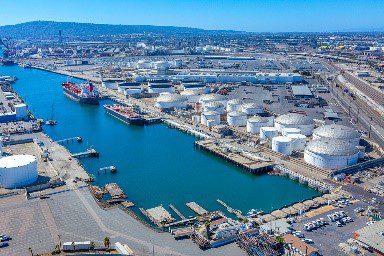
Marine terminals in Los Angeles and Long Beach. Most required ships to use their own power to unload their product, including crude oil from foreign nations. This created significant environmental pollution. I negotiated with LA Department of Water and Power (DWP) to extend its electrical power grid to these shipping docks. I then installed converters so that ships could plug in and use ground-based power. This significantly reduced air and water pollution at all LA and Long Beach marine terminals.
A Supertanker typically contains 2 million barrels (84 million gallons) of liquid, typically crude oil from distant countries. It takes about 1 day to unload to an onshore facility, then distribute to refineries. I installed instrumentation to measure and control ofloading of tankers.
Land transport of Oil and gas
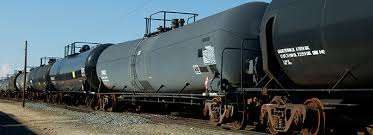
Oil and Gas are also transported by rail. I installed instrumentation to measure and control offloading of rail cars containing components (typically Ethanol) used in blended gasoline. In this example, the product was shipped from Texas to Los Angeles. It takes about 1 day to unload a train of 100 rail cars and distribute it to local refineries. 1 rail car typically holds 30,000 gallons. The project also included accounting to bill the recipients and pay the provider
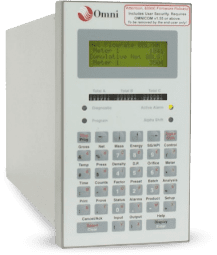
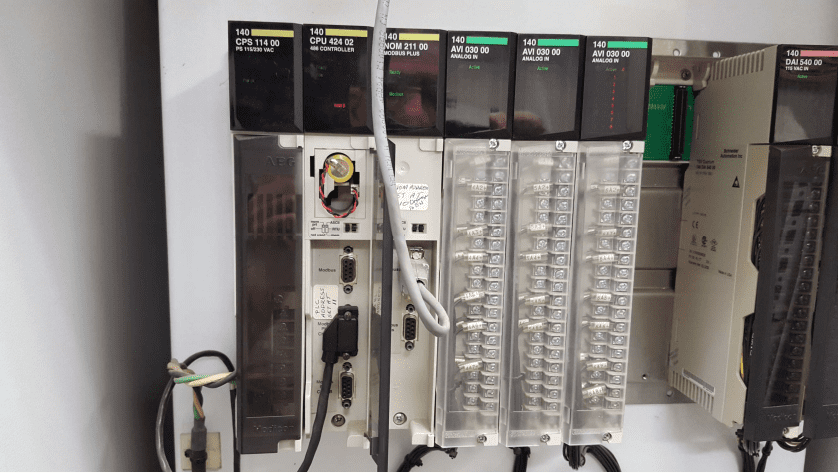
Typical Flow Computer
Leak Detection
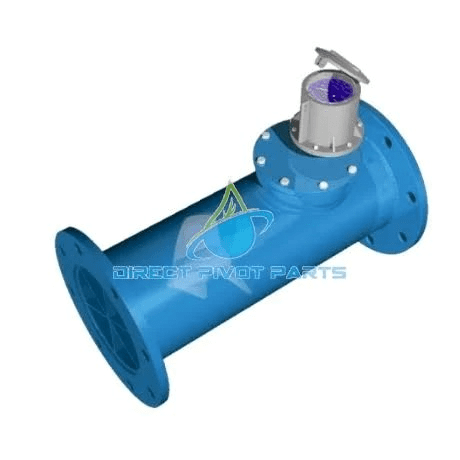
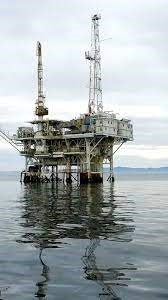

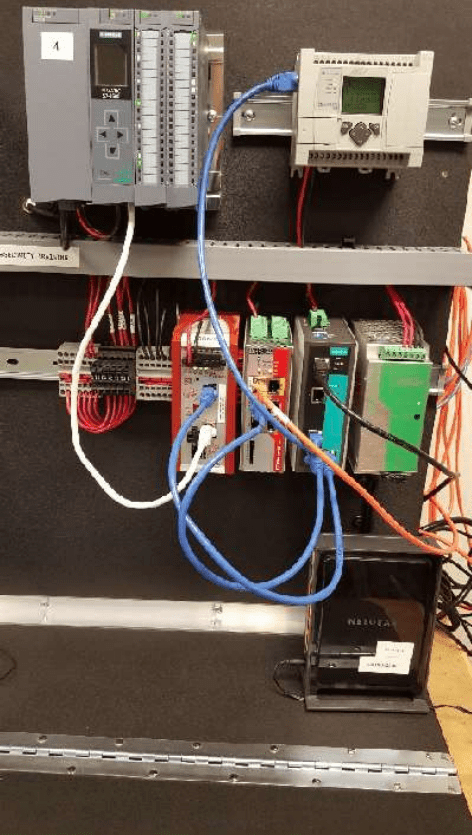
Having worked on many offshore terminals and with many long onshore pipelines, I was concerned that there was no protection against leaks. I developed and installed sensors that would shut down a pipeline if a leak is detected. In Washington State this saved significant leakage of jet fuel from a break in a pipeline into an oceanfront city. Also, once the leak is repaired, I provide a restart procedure to be sure the pipeline is once again secure.
LAX – Los Angeles Airport
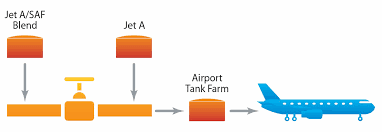
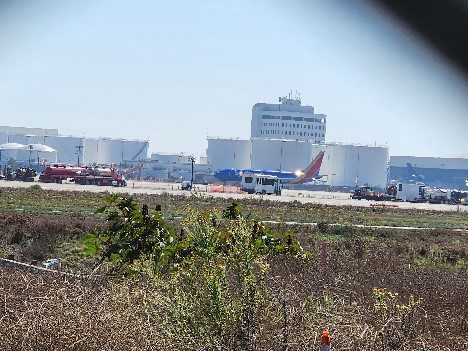
I negotiated with 4 suppliers of Jet Fuel to assure equal delivery opportunities. I configured controls to measure flow rates, tank levels, jet fuel quality, and accounting to assure that providers are being paid. This involved Jet fuel is pumped into one set of tanks, evaluated for quantity and quality, then transferred to distribution tanks for delivery to all the airline terminals. Control systems were also installed in the LAX Fuel Tank Farm Office. Accounting document formats had to be approved by suppliers, LAX, and US Department of Energy.
Dewpoint Monitoring and Control
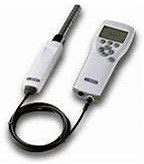
When water freezes, its volume increases by 9.05% (that is, ΔV / V0 = 9.05×10^−2). Such force can fracture engine blocks, boulders, airplane, and aerospace components. At high altitude, any moisture condenses into solid water, then freezes, causing expansion that will damage or break apart the component. For protection, Argon gas is supplied by an independent contractor to each airplane and aerospace manufacturing facility, then distributed to all production lines. I installed dewpoint monitoring sensors and controls on 55 production lines in 5 factories.
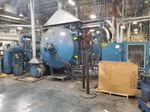
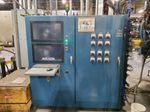
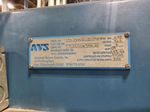
Typical furnace used in heat treating of Airline parts. This example is small volume. Next time you are on an airline flight, look out the window to see how many small parts there are bolted onto the wings. There are of course larger furnaces for larger airline parts. Sensor Used for Dewpoint Moisture Measurement in Argon gas in Aerospace manufacturing. Example of a dewpoint moisture measurement installation. I installed over 55 of them in multiple locations. A report of each heat treating must be forwarded as part of the complete report for the airline component process.
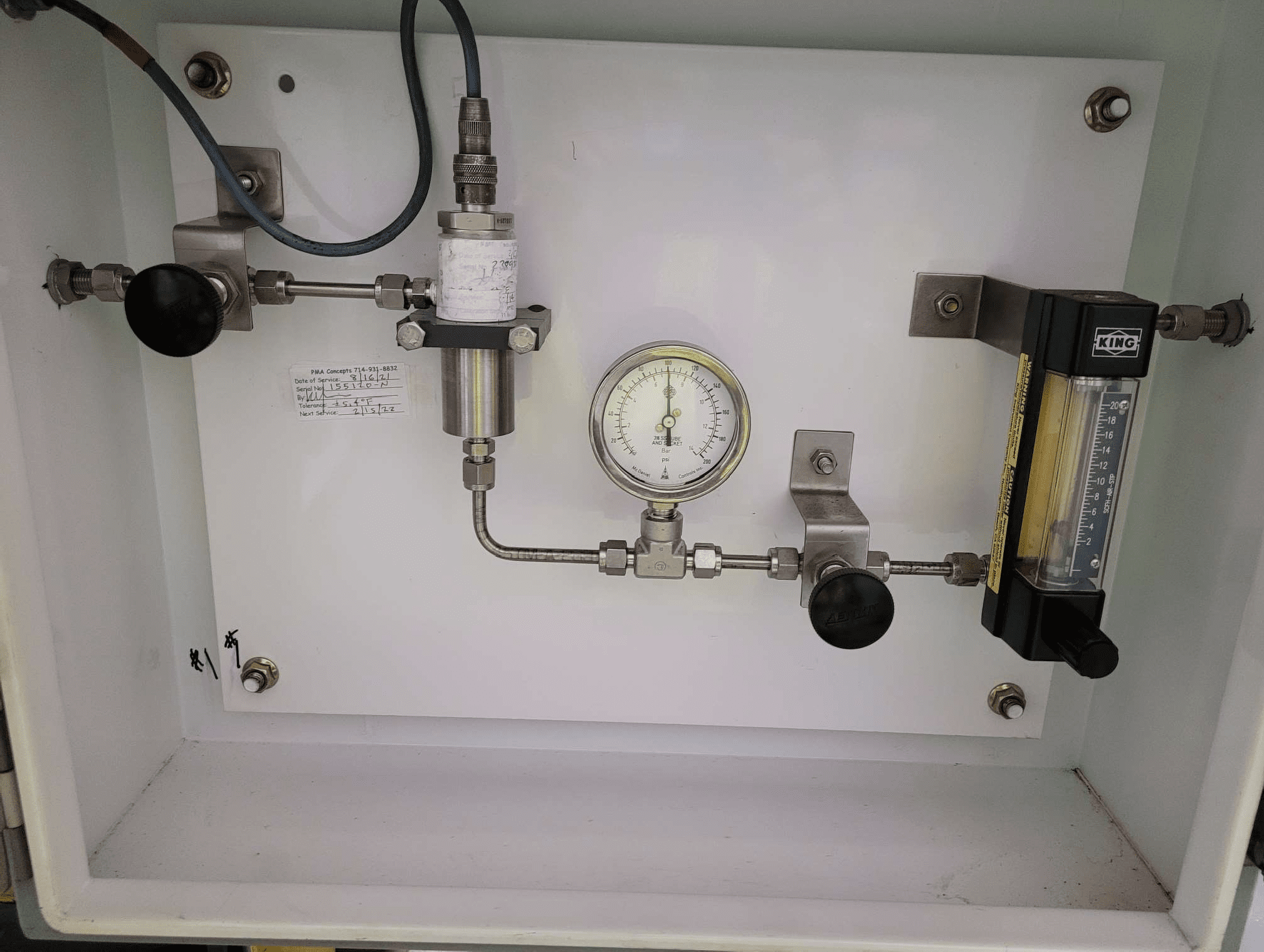
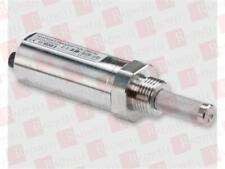
item 1 VAISALA SENSOR SYS DMT152B1DCC10A100A1A / DMT152B1DCC10A100A1A (BRAND NEW)VAISALA SENSOR SYS DMT152B1DCC10A100A1A /